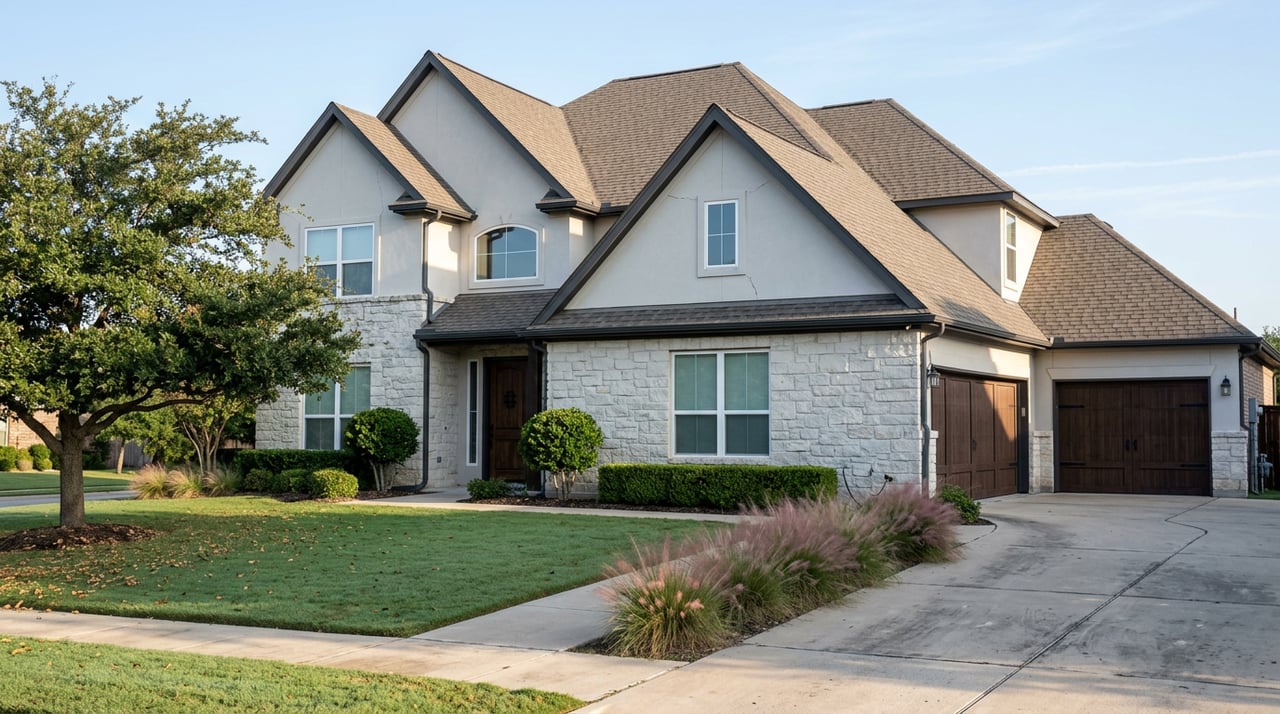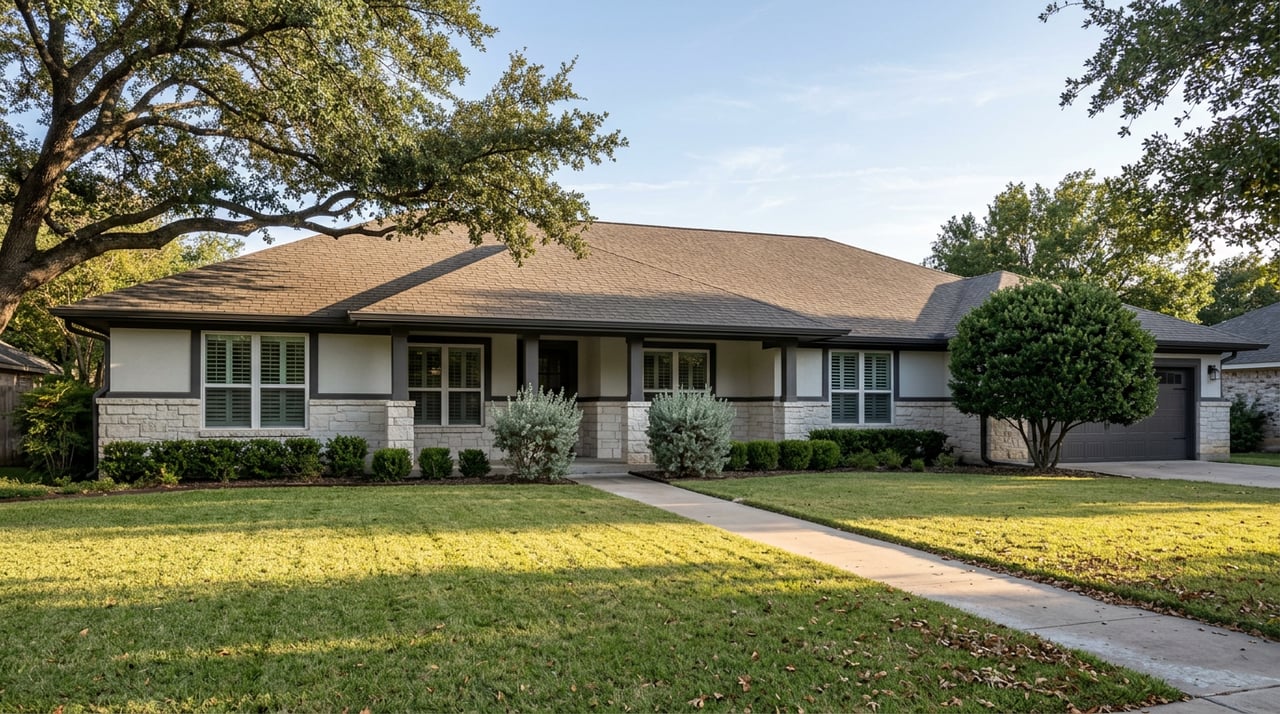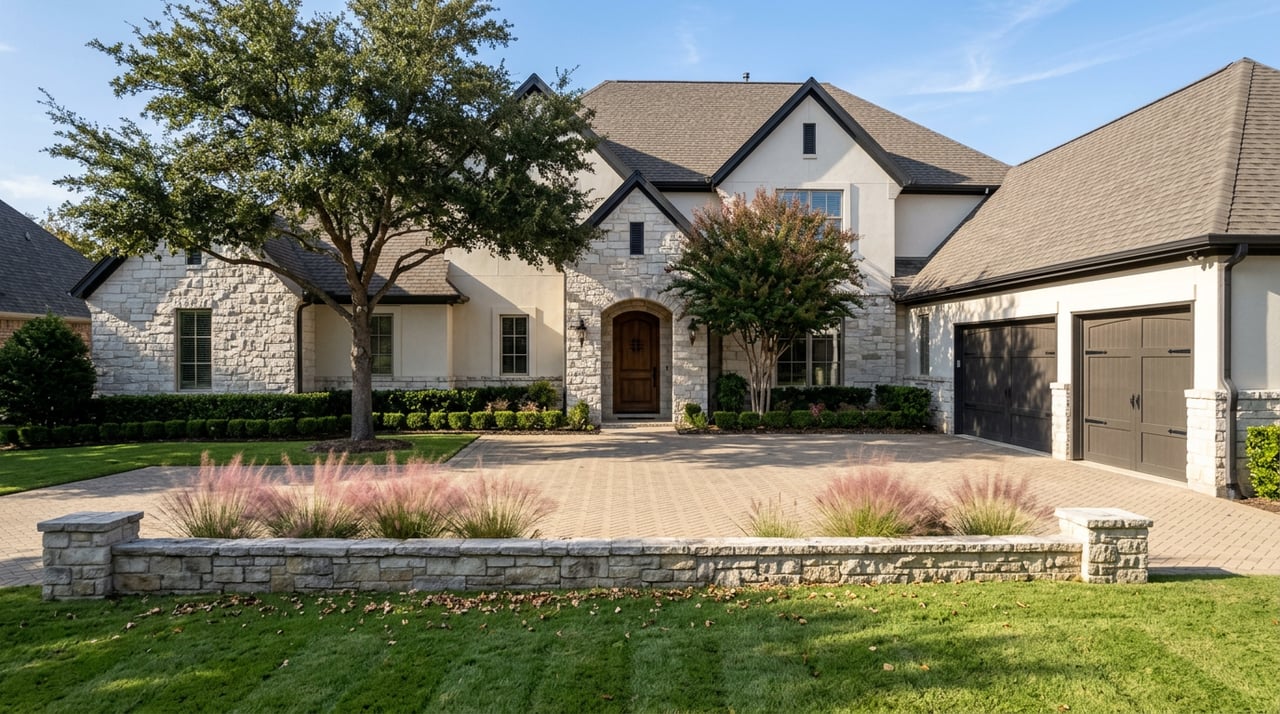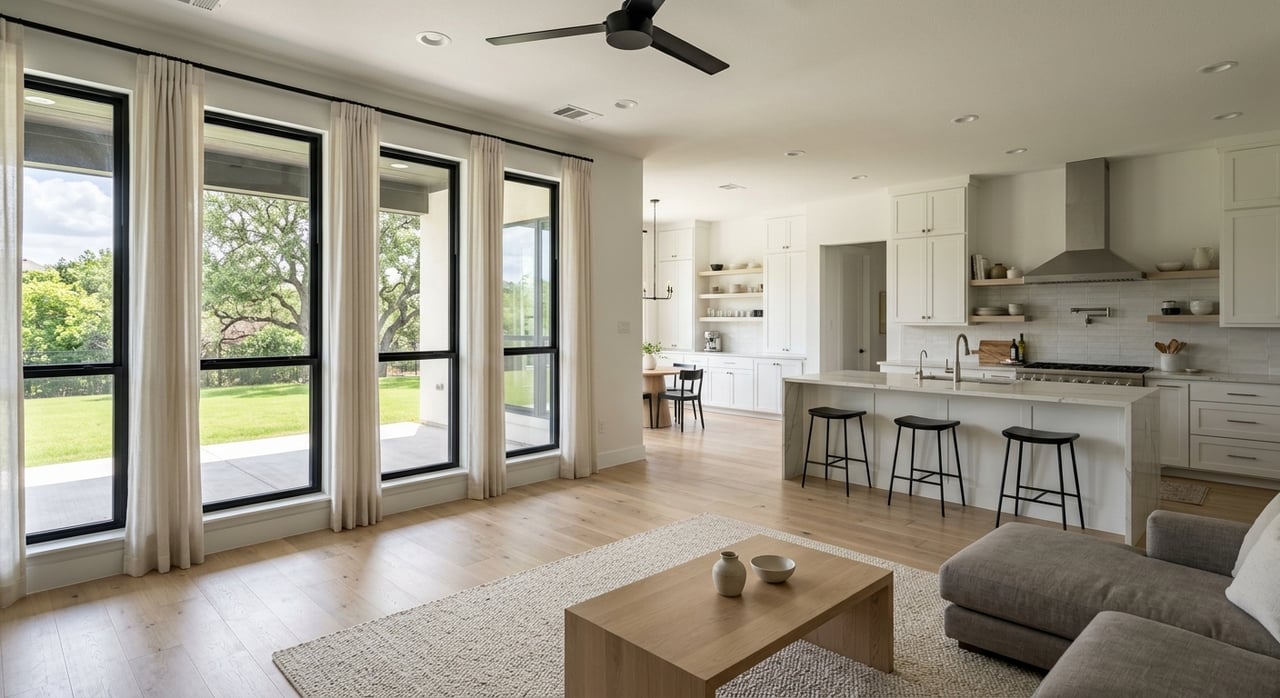
Wondering why some Highland Village listings feel instantly memorable while others blur together online? If you are preparing to sell, that gap often comes down to presentation. In a market where homes are moving in about a month and buyers can compare options quickly, design-forward staging can help your home feel polished, cohesive, and easy to imagine living in. Let’s dive in.
Why staging matters in Highland Village
Highland Village is known for its residential setting, access to Lake Lewisville, and homes that often feature newer construction or custom design. That makes presentation especially important because buyers are not only comparing square footage and price, but also how well a home lives and photographs.
Recent market snapshots point to an active local market. Redfin reported a March 2026 median sale price of $596,657, 30 median days on market, and a 99.2% sale-to-list ratio, while Realtor.com’s April 2026 snapshot showed 61 active listings, a $699,900 median listing price, 29 days on market, and a 99% sale-to-list ratio. The exact numbers vary by source, but the message is the same: buyers are moving quickly, and your home needs to make a strong first impression.
Staging supports that first impression by helping buyers picture themselves in the space. According to the National Association of Realtors 2025 Profile of Home Staging, 83% of buyers’ agents said staging made it easier for buyers to visualize a property as a future home, and 31% said buyers were more willing to walk through a home they first saw online.
What design-forward staging really means
Design-forward staging does not mean filling every room with trendy furniture or making your home look overly styled. It means creating a clean, intentional look that highlights the home’s architecture, natural light, and flow from room to room.
In Highland Village, that often means leaning into openness, proportion, and outdoor livability. If your home has large windows, a view, a covered patio, or a strong connection to the backyard, staging should support those features instead of competing with them.
The goal is simple: help buyers notice the home, not your things. When furniture scale, decor, color, and layout work together, the property feels more refined and more move-in ready.
Start with the rooms buyers notice most
Not every space needs the same level of attention. NAR found that buyers’ agents ranked the living room, primary bedroom, and kitchen as the most important rooms to stage.
That gives sellers a clear priority list. If you want to focus your time and budget, start where buyers are already paying the most attention.
Living room staging tips
The living room carries a lot of visual weight in listing photos and showings. It is often where buyers judge scale, comfort, and how the main living areas connect.
Use furniture that fits the room instead of crowding it. If you have oversized pieces, consider removing one or two items to improve flow and make the room feel larger.
Keep styling restrained and intentional. A few layered textures, neutral seating, and a simple coffee table arrangement can help the space feel elevated without looking busy.
Primary bedroom staging tips
Your primary bedroom should feel calm, spacious, and restful. Buyers respond well to rooms that feel like a retreat, especially in upper-tier suburban homes.
Use crisp bedding, clear nightstands, and minimal decor. If the room feels tight, remove extra chairs, benches, or bulky storage pieces so the layout reads clearly.
Kitchen staging tips
In the kitchen, less is usually better. Clear counters make the room feel larger and cleaner, and they help buyers focus on cabinetry, surfaces, light, and function.
Leave out only a few purposeful items, like a bowl, a tray, or one small decorative accent. If you have mixed finishes or visual clutter, simplifying the space can make the overall kitchen feel more cohesive.
Make natural light part of the strategy
Highland Village homes often benefit from generous windows, open layouts, and, in some cases, lake or outdoor views. Those features should lead the visual story.
Open window treatments where privacy allows, and remove anything that blocks light or interrupts the line of sight. Heavy drapes, crowded windowsills, and dark furniture near windows can make a bright room feel smaller than it is.
Before photos and showings, replace burned-out bulbs and make sure lighting color feels consistent from room to room. A home that reads bright and balanced on camera usually feels more inviting in person too.
Create a cohesive look throughout the home
One of the fastest ways to make a custom or higher-value home feel less polished is inconsistent styling. If one room feels formal, another feels rustic, and a third feels empty, buyers may read the home as unfinished or harder to understand.
A better approach is to create continuity. Repeat a few tones, textures, and shapes throughout the house so each room feels connected to the next.
This does not require a full redesign. It often comes down to editing, simplifying, and making sure the home feels intentional as a whole.
Don’t skip outdoor staging
Outdoor areas matter in Highland Village. With the city’s connection to Lake Lewisville, parks, trails, and outdoor recreation, patios, porches, and backyards can help tell a strong lifestyle story.
NAR found that 31% of sellers’ agents staged yard or outdoor areas. That matters even more when outdoor living is part of what makes a location appealing.
Outdoor spaces to prioritize
Focus on the areas buyers are most likely to imagine using right away:
- Front entry and curb appeal
- Covered patios and porches
- Backyard seating areas
- Pool surrounds, if applicable
- View-facing spaces
Keep outdoor furniture clean, simple, and appropriately scaled. Sweep surfaces, freshen planters, and make sure seating areas look usable rather than purely decorative.
The pre-listing updates that matter most
Before staging begins, make sure the home is ready for close-up scrutiny. NAR reports that the most common pre-listing improvements recommended by agents were decluttering the home, whole-home cleaning, and improving curb appeal.
Those basics are not glamorous, but they are often what make staging effective. A beautifully styled room will still struggle if surfaces are dusty, storage is overflowing, or deferred maintenance is visible.
Your Highland Village pre-listing checklist
Use this checklist to prepare your home before photos and showings:
- Declutter every major room
- Complete a whole-home deep clean
- Improve curb appeal with fresh landscape maintenance
- Touch up paint where needed
- Address minor repairs
- Clean carpets if applicable
- Edit furniture to improve scale and flow
- Prepare outdoor living spaces
- Schedule professional photography after staging is complete
Think beyond furniture placement
Staging is not separate from marketing. The listing gallery is often the first showing, and NAR found that photos were much or more important to clients for 88% of sellers’ agents.
That means your home has to work both in person and on screen. Clean sight lines, balanced rooms, and well-styled focal points help photos feel more compelling and make buyers more likely to book a showing.
Video can also support the presentation, but physical staging still matters. Virtual staging may help in select situations, yet the strongest strategy is usually a home that is genuinely prepared, professionally photographed, and consistently presented across every touchpoint.
Budget for staging with clear priorities
If you are deciding whether to bring in a professional stager, it helps to think in terms of overall positioning rather than promised return. NAR notes that staging is not a guaranteed price boost, but it can improve response, reduce friction, and strengthen perceived value.
The same report found that when sellers used a staging service, the most important selection criteria were quality of design and price. The median amount spent was $1,500 when using a staging service, compared with $500 when the seller’s agent personally staged the home.
For many sellers, the smartest move is a coordinated plan. Instead of treating staging, cleaning, landscaping, repairs, and photography as separate tasks, bundle them into one thoughtful pre-listing strategy.
A design-forward sale starts with a clear plan
The best staging choices are not random. They reflect your home’s architecture, price point, and likely buyer expectations.
In Highland Village, that usually means emphasizing light, proportion, flow, and outdoor living while removing distractions that weaken the overall impression. When those details come together, your home feels more confident in photos, stronger in showings, and easier for buyers to connect with.
If you are preparing to sell in Highland Village, a design-led strategy can make the process feel more focused from the start. For tailored staging guidance, vendor coordination, and a polished listing plan, connect with Betsy Daniel.
FAQs
What rooms should Highland Village sellers stage first?
- The best rooms to prioritize are the living room, primary bedroom, and kitchen, since NAR data shows buyers pay the most attention to those spaces.
Does home staging increase sale price in Highland Village?
- Staging is best viewed as a positioning tool that can improve buyer response and perceived value, rather than a guaranteed way to increase price.
How important are outdoor spaces when selling a Highland Village home?
- Outdoor spaces can be very important because Highland Village is closely associated with lake living, parks, trails, and outdoor recreation, so patios, porches, and backyards help support the lifestyle story.
What should sellers do before staging a Highland Village home?
- Start with decluttering, deep cleaning, curb appeal, paint touch-ups, minor repairs, carpet cleaning if needed, and preparing the home for professional photography.
Is professional photography part of the staging process for Highland Village listings?
- Yes, because buyers often first experience your home online, and NAR data shows listing photos are highly important in attracting interest and encouraging showings.