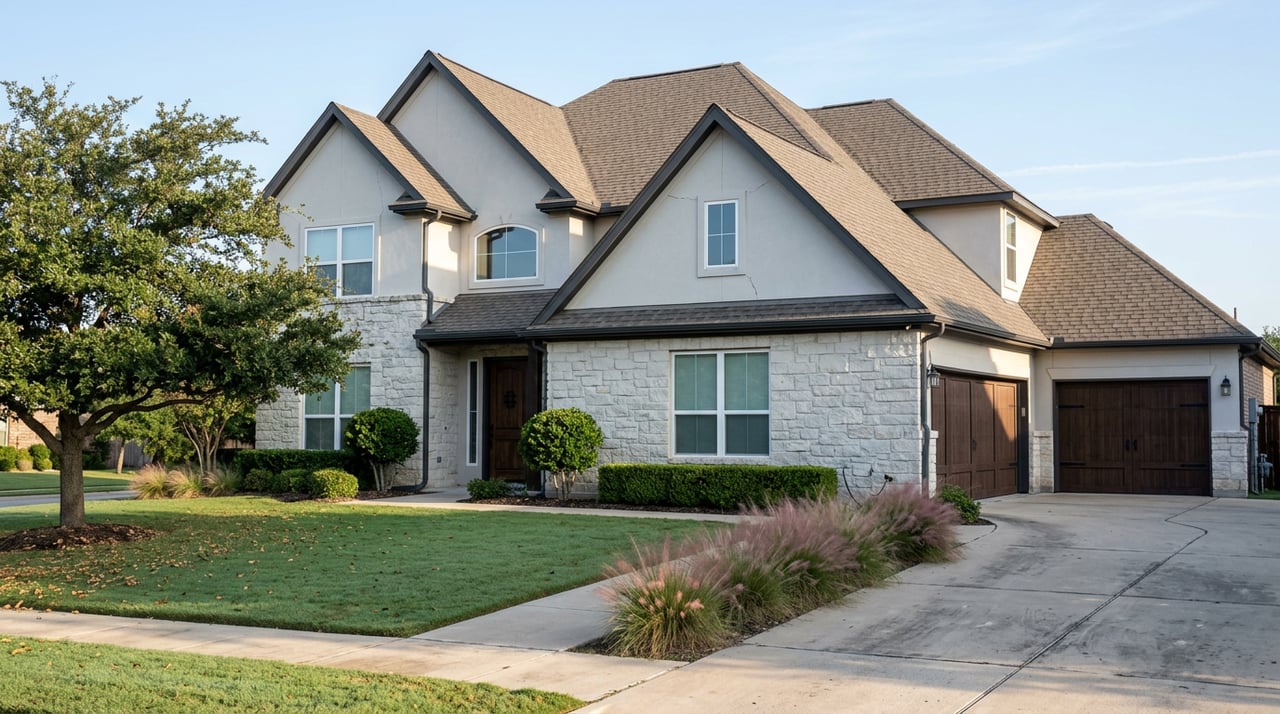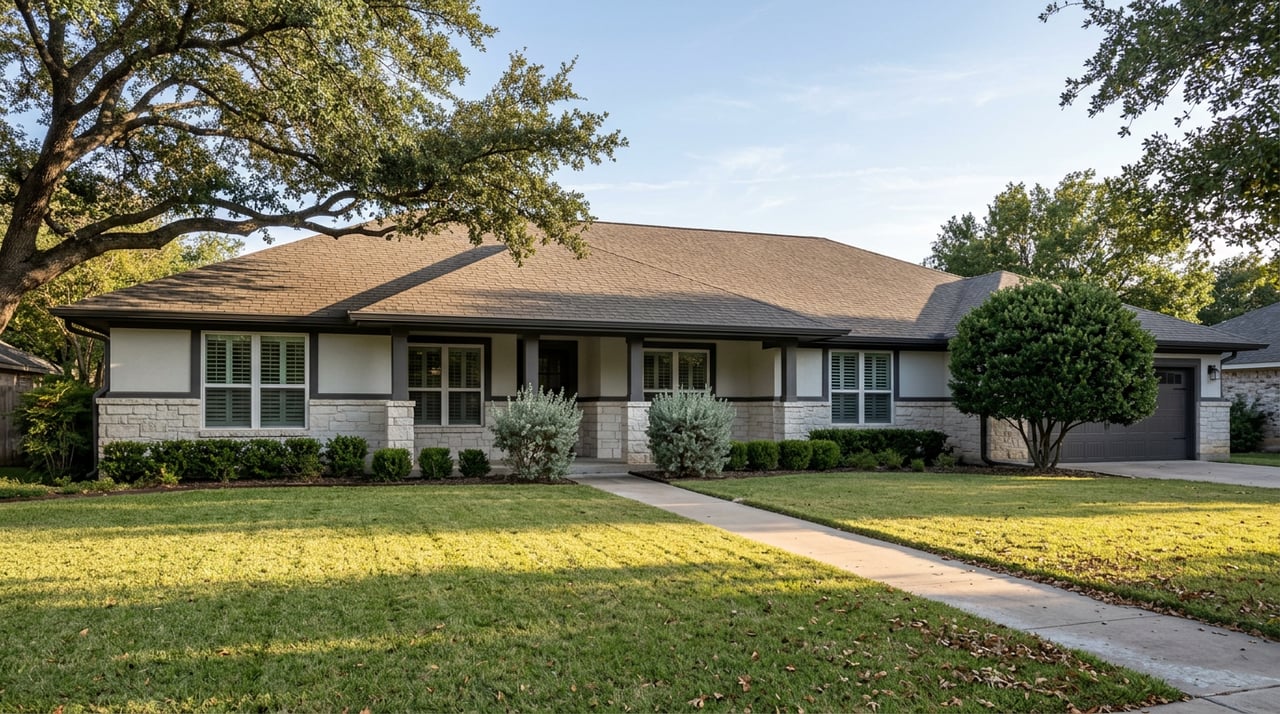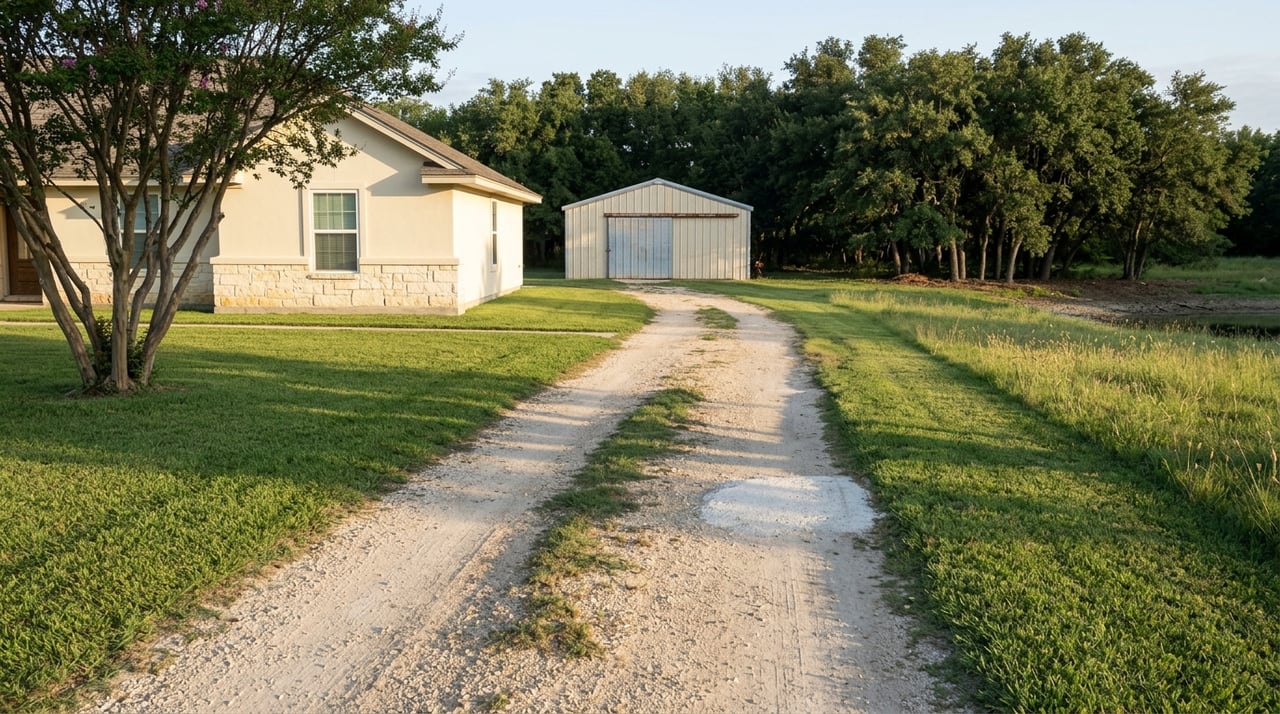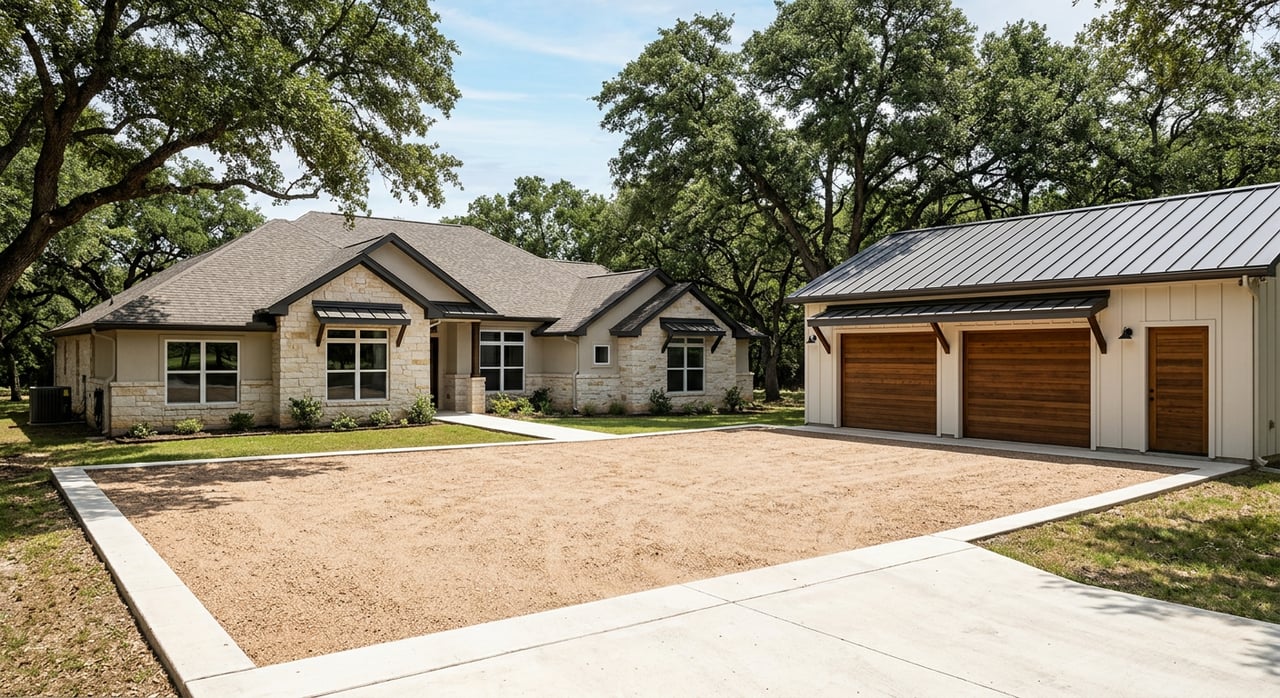
Thinking about trading subdivision streets for sunrise views and room to spread out? Argyle gives you that country feel with access to the Dallas–Fort Worth core. Buying acreage here is different from buying a typical home, though. You need to confirm utilities, septic and well feasibility, easements, flood zones, and potential tax benefits before you commit. This guide walks you through the key checks, local rules, and a practical timeline so you can buy with confidence. Let’s dive in.
Argyle at a glance
Argyle sits in southern Denton County, close to major employment centers and regional roads. Before you fall in love with a property, confirm whether it is inside town limits, in Argyle’s extraterritorial jurisdiction, or in unincorporated Denton County. That status determines which codes, permits, and inspections will apply, and the Town’s Community Development team is your first stop for clarity on boundaries and rules. You can review permit and planning contacts on the Town’s Community Development page.
Planned road projects can shift long-term value. TxDOT’s work to widen and realign FM 407 between Argyle and Justin is moving toward public hearings and design activity in 2026. That corridor update can change traffic patterns, accessibility, and the potential for corner commercial uses at signalized intersections. If you are eyeing parcels near FM 407, review the latest public materials and meeting notes related to the FM 407 widening plan.
Start with jurisdiction and use
Your due diligence starts with where the parcel sits and what you can do with it. Inside town limits, you follow Town codes and permitting. In the ETJ or county, different agencies may apply. The Town’s Community Development page is the central resource for questions about zoning, plats, and development review.
If you plan to keep livestock, build barns or workshops, or operate a small equestrian business, study the Town’s code sections on animals and livestock. Certain commercial or boarding operations may require permits, compliance with waste and traffic rules, and inspections. You can review Argyle’s livestock and animal control ordinance to understand definitions and permit expectations.
Utilities and site feasibility
You should confirm utility realities before you write an offer. Service is highly address specific on acreage, and line extensions can add cost.
Water
Public water is not universal on acreage. The Argyle Water Supply Corporation (AWSC) serves much of the area, but service can vary by subdivision or street. Some parcels rely on private wells. For any property you are considering, verify the exact service provider and whether a meter is available using the Town’s utility providers list. If a private well is likely, consult local drillers on typical depths, yields, and water quality on that specific bench or formation. For broader groundwater context, review the state’s guidance on Priority Groundwater Management Areas.
Sewer and septic
Many acreage properties use on-site septic systems. Inside town limits, Argyle’s Public Works team handles On-Site Sewage Facility permitting, inspections, and aerobic system tracking. Outside town limits, Denton County or state rules may apply. Budget for a soils or percolation evaluation and permit fees if public sewer is not available. You can find OSSF permitting information through Argyle Public Works.
Electricity and natural gas
Electric service and gas availability vary by location. In this part of Denton County, Oncor and CoServ manage much of the delivery infrastructure, while you select a retail electricity provider based on your address. Atmos is a common gas provider where gas lines exist. Ask the local electric distributor to quote any required line extensions to a build site and confirm whether overhead or underground service is feasible at reasonable cost. That number can affect your build budget.
Broadband and phone
Internet options change from road to road. The Town lists Verizon and Frontier among providers, but your parcel might rely on cable, fiber, fixed wireless, or satellite. Always run an address lookup with likely ISPs, and test cellular coverage on site. Start with the Town’s utility providers list to see common options, then verify by address.
Roads and access
Confirm whether your driveway connects to a public road or a private lane. If the road is private, maintenance obligations and access easements should be recorded in the plat, covenants, or deed. If the route is a state highway or Farm-to-Market road, TxDOT may control access. The Community Development resources can help you interpret plats, easements, and private road notations.
Title, surveys, easements, and hazards
Buying land calls for a tighter document review than a typical subdivision home. The goal is to surface any limits on building, access, and use early.
Title commitment and mineral rights
Order a current title commitment and read the Schedule B exceptions carefully. In Texas, mineral rights are often severed from surface rights. Determine whether any mineral reservations, leases, or pipeline easements are recorded against the property. Your title company and a real estate attorney can explain the implications. To pull recorded plats, restrictions, and easements filed at the county, use Denton County property records.
Plats, restrictions, and easements
The recorded plat and any referenced covenants will show building setbacks, private-road maintenance clauses, and restrictions on barns, businesses, and accessory structures. If a plat references restrictions, ask title to provide the actual recorded restrictions for review. Confirm any utility or pipeline easements that could limit building locations, fencing, or tree removal.
Floodplain, drainage, and soils
Acreage often includes creeks, drainages, or low areas. Even if your preferred homesite is high, parts of the parcel may be in a regulated floodplain. Always check the FEMA Flood Map Service Center for the exact parcel, and ask your surveyor about elevation data if you are close to any mapped flood zones. If you need flood insurance for financing, elevation certificates or specific build conditions may apply.
Agricultural valuation and rural uses
Texas offers property tax relief for qualifying agricultural land through special appraisal, often called ag valuation or 1-d-1 open-space appraisal. Understanding how it works in Denton County helps you plan and avoid surprises.
Ag valuation basics
Under Texas rules, qualifying land is taxed on its productivity or use value rather than market value. Typical requirements include devoting the land principally to agricultural use at a degree of intensity generally accepted in the area, along with a multi-year history requirement that is commonly five of the last seven years. Forms, deadlines, and qualifying uses are described by the Texas Comptroller.
Denton County standards and rollback taxes
Denton Central Appraisal District (DCAD) applies local intensity standards and publishes guidelines on qualifying activities, documentation, and rollback mechanics. If a property with ag valuation changes use, rollback or recapture taxes can apply for prior years. That can be a significant one-time cost. Before you buy, call DCAD to confirm the parcel’s status and any exposure, and review DCAD’s current mass appraisal report for guidance.
Equestrian and small business uses
If you plan to keep multiple horses, run a boarding operation, or offer training or lessons, confirm the zoning and permitting path before you buy. The Town’s livestock and animal control ordinance outlines definitions and standards, and commercial activity may trigger additional business permitting, parking, and waste management requirements. Start with Community Development for questions about conditional or home-based commercial uses and how those interact with septic and building codes.
Your due diligence timeline
A smart sequence keeps surprises out of closing. Use this checklist as a starting point, then tailor it to the property.
Before you write an offer
- Confirm the exact utility providers by address. Ask for written statements on water meter availability, sewer options, and any required line extensions. The Town’s utility providers list is a useful first step.
- Order a current title commitment. Ask title to pull all referenced instruments, including plats, restrictive covenants, and recorded easements. You can cross-check filings in Denton County property records.
- Plan for septic and well feasibility. Schedule a soils or percolation evaluation if sewer is not available, and contact local drillers for estimated well depth and yield. Argyle Public Works can explain septic permitting.
- Check flood risk. Review the property on the FEMA Flood Map Service Center and note any buildable areas outside mapped floodplains.
- Evaluate ag valuation. Ask the seller for documentation of current 1-d-1 status and contact DCAD to confirm transfer expectations and any rollback exposure. Learn eligibility and forms through the Texas Comptroller.
- Factor infrastructure changes. If the parcel is near FM 407 or other corridors, review current materials on the FM 407 widening plan to understand right-of-way and access implications.
During your option period
- Commission a boundary survey. Review it for easements, setbacks, and any recorded building restriction lines. Request T-47 and lender-required endorsements.
- Complete septic and well testing as needed. Verify that soils support your planned system type and that a well can meet household and irrigation needs.
- Secure key title endorsements. Discuss access easement confirmations and mineral exceptions with title and counsel.
- Get written cost estimates from utilities. Confirm any power, water, or broadband line-extension charges and timing so your build budget is accurate.
- Document your ag plan if you will apply post-closing. Follow the Comptroller’s forms and DCAD timelines. Keep receipts, leases, and records to demonstrate ongoing activity.
What to expect on closing and beyond
Acreage closings often include more exhibits and post-closing tasks than a typical home purchase. You may need to coordinate utility taps and inspections, file ag valuation forms, and confirm any private road maintenance arrangements with neighbors or an association. If you plan to build immediately, sequence permits to match your builder’s start date and allow time for septic approvals and power installation. Investing this time upfront creates a smoother path to your first morning on the property.
Ready to walk parcels, talk through utilities, and map a clean due diligence plan? Connect with the boutique-level guidance and local insight you need. Schedule a conversation with Betsy Daniel to find the right Argyle acreage and navigate the details with confidence.
FAQs
How do I confirm if an Argyle parcel is inside town limits or in the ETJ?
- Start with the Town’s Community Development resources and ask staff to verify jurisdiction for the exact parcel. Rules and permits differ inside town, the ETJ, and unincorporated county.
What should I check for water and septic on Argyle acreage?
- Verify the water provider and meter availability using the Town’s utility providers list. If no public sewer, budget for a soils test and OSSF permit through Argyle Public Works.
How does the Texas ag valuation work in Denton County?
- Qualifying land can be taxed on use value rather than market value, subject to intensity and multi-year history standards. See the Texas Comptroller and DCAD guidance, and confirm any rollback exposure.
What do recorded pipeline or utility easements mean for building?
- Easements can limit where you place structures, fences, or trees. Ask title for all recorded easements, review the plat, and plan your homesite and driveway around those corridors.
Will the FM 407 widening affect my Argyle property search?
- It can change traffic patterns, access, and corner-commercial potential. Review current public materials on the FM 407 widening plan and check right-of-way footprints for nearby parcels.
Who provides electricity and internet on rural Argyle lots?
- Oncor and CoServ handle much of the electric delivery in this area, while retail electricity and internet options vary by address. Use the Town’s utility providers list, then verify directly with providers.